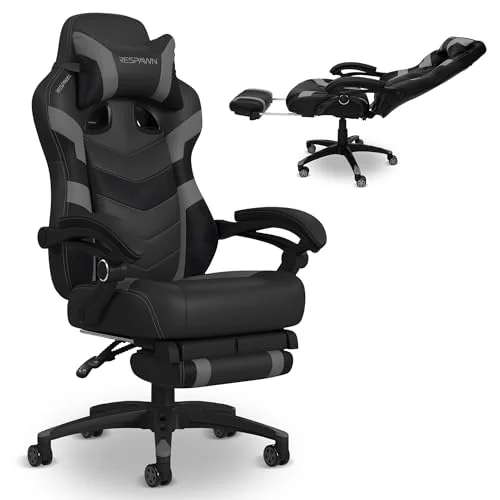
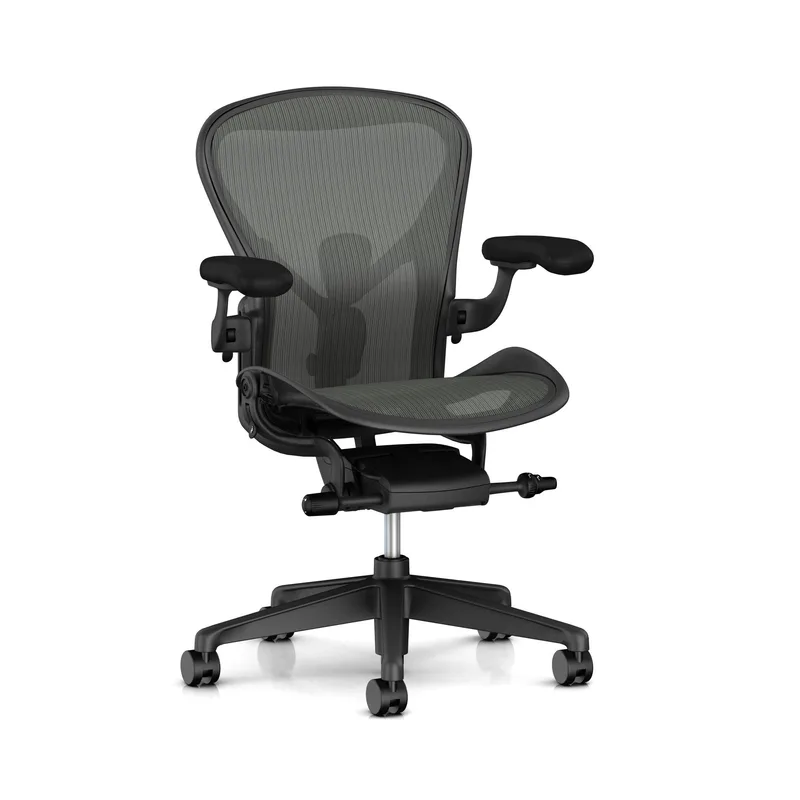
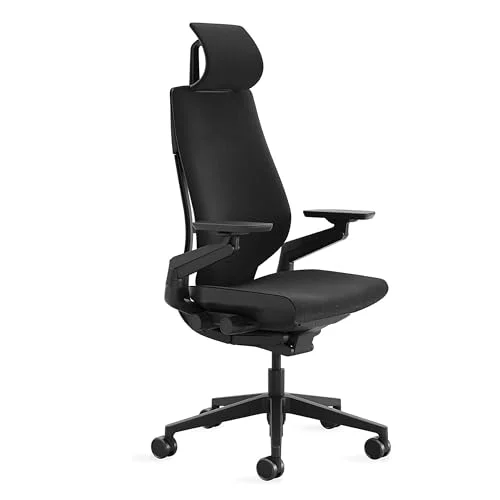
If you’ve spent any time researching ergonomic chairs in 2026, you’ve run into the Steelcase Series 1. It shows up on every “best chair under $500” list, and for good reason: it’s a commercial-grade chair that Steelcase sells at a price that doesn’t require a corporate procurement budget. But is it actually worth $499 — especially when solid mesh alternatives like the Branch Ergonomic Chair cost $170 less?
Quick pick: If you want the best balance of ergonomics, durability, and warranty coverage under $500, the Steelcase Series 1 is still the one to beat. If you’re on a tighter budget and your weight is under 275 lbs, the Branch Ergonomic Chair is a smart alternative.
Steelcase Series 1 — Full Review
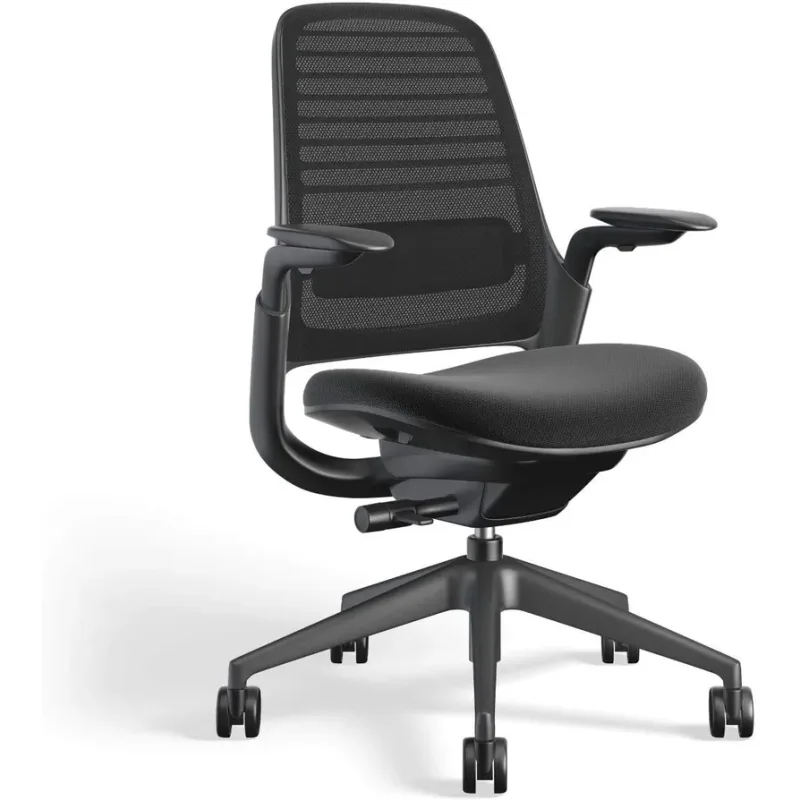
Steelcase Series 1
Pros
- ✓ Commercial-grade build quality at a consumer price point
- ✓ LiveBack system genuinely flexes with your spine as you shift positions
- ✓ 12-year multi-shift warranty is class-leading at this price
- ✓ 400 lb weight capacity — well above most mesh chairs at this range
Cons
- ✗ Foam seat doesn't breathe as well as full-mesh alternatives
- ✗ Lumbar adjusts only in height, not depth — limits fine-tuning
- ✗ Not available in full-mesh configuration at base price
Build Quality and Materials
The first thing you notice about the Series 1 is how solid it feels. Steelcase has been building commercial office furniture since 1912, and the construction reflects that. The frame is sturdy, the base has no flex, and the adjustment mechanisms feel precise rather than cheap and clicky.
The standard configuration uses a foam seat with a mesh back. The foam seat is reasonably comfortable and holds up well over time — owner reports consistently mention seats that stay firm years into use, which is more than can be said for lower-cost alternatives. That said, the foam does trap more heat than a full-mesh setup. If you run warm or work in a poorly ventilated space, factor that in.
The 3D Microknit back is the standout material choice. It has a subtle give that lets you feel supported without the hard-framed stiffness of cheaper mesh chairs.
The LiveBack System
The LiveBack flexor is Steelcase’s core differentiator on the Series 1. The backrest isn’t rigid — it’s divided into upper and lower sections that flex independently. As you shift positions, lean forward over a keyboard, or recline to think, the back follows your spine rather than holding it to one static angle.
This matters more than most people expect. Most chairs at this price force you into a single seated posture. The Series 1 accommodates the reality that you’re going to shift around during an 8-hour day. Based on owner feedback and manufacturer documentation, this system meaningfully reduces the mid-afternoon lower back fatigue that plagues fixed-back chairs.
Adjustability
The Series 1 hits the major ergonomic checkboxes:
- Seat height: 5-inch pneumatic range (approximately 16–21 inches), covering most users from short to tall
- Seat depth: 2.25-inch adjustment — enough to support different leg lengths and reduce pressure behind the knees
- Arms: 4D adjustable on the standard configuration — height, width, depth, and pivot. This matches what the Leap offers at nearly three times the price
- Lumbar: Adjusts in height only. This is the Series 1’s main ergonomic limitation. You can position the lumbar pad at the right height for your lower back, but you can’t add or reduce the outward pressure. Users with strong lumbar support preferences will find this less customizable than the Leap or higher-end options
The weight-activated tilt is worth mentioning separately. The chair automatically calibrates tilt tension based on your body weight, which means you don’t need to fiddle with a separate knob every time you sit down.
Warranty and Certifications
Twelve years, multi-shift coverage, parts and labor. That’s the warranty on the Series 1, and it’s genuinely remarkable at this price. Most chairs in the $300–500 range offer 3–5 years if you’re lucky. Multi-shift certification means this chair was designed to hold up under commercial conditions where multiple users sit in it daily across multiple shifts — a standard that goes well beyond typical home office use.
The BIFMA Level 3 certification reflects third-party verification of the chair’s sustainability credentials — materials, manufacturing, and end-of-life factors. Not a purchase driver for most buyers, but worth noting if that matters to you.
Who the Series 1 Is Best For
- Users logging 6–10 hours per day at a desk who want proper ergonomic support without spending Leap money
- Anyone who has tried budget mesh chairs and found them uncomfortable after a few hours
- Users up to 400 lbs — the Series 1 supports a wider range than most competitors at this price
- People who want long-term durability backed by a meaningful warranty
How It Compares: Series 1 vs Branch Ergonomic vs Leap V2
| Feature | Series 1 ($499) | Branch Ergonomic ($329) | Leap V2 ($1,399) |
|---|---|---|---|
| Seat material | Foam + mesh back | Full mesh | Fabric or leather options |
| Weight capacity | 400 lbs | 275 lbs | 400 lbs |
| Lumbar adjustment | Height only | Height adjustable | Height + firmness |
| Arm adjustment | 4D | 3-way | 4D |
| Seat depth adjustment | Yes (2.25”) | Yes | Yes (3”) |
| Warranty | 12 years | 5 years | 12 years |
| Best for | Long-day durability | Budget all-mesh | Maximum customization |
Steelcase Series 1 vs Branch Ergonomic Chair
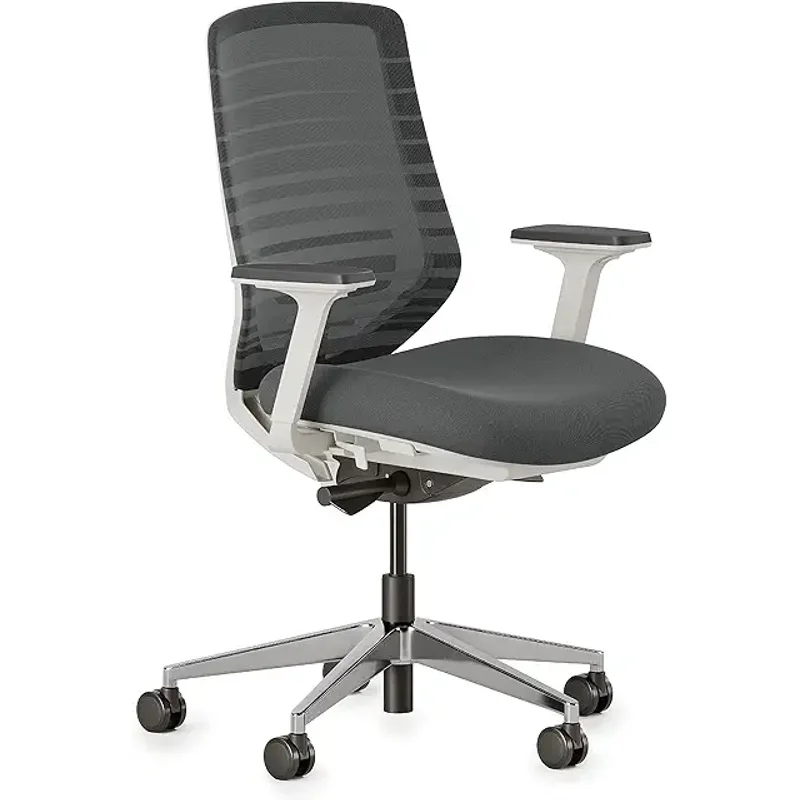
The Branch is the most natural comparison at $329 — $170 cheaper. Branch wins on material (full mesh keeps you cooler) and aesthetics (cleaner look that doesn’t scream “office furniture”). The Series 1 wins on weight capacity (400 vs 275 lbs), warranty (12 vs 5 years), and the LiveBack flex system, which the Branch doesn’t replicate.
For most buyers under 275 lbs who work from home and prioritize airflow: the Branch is a smart buy. For anyone who sits 8+ hours daily and values long-term durability, the extra $170 for the Series 1 is a reasonable investment.
Steelcase Series 1 vs Steelcase Leap V2
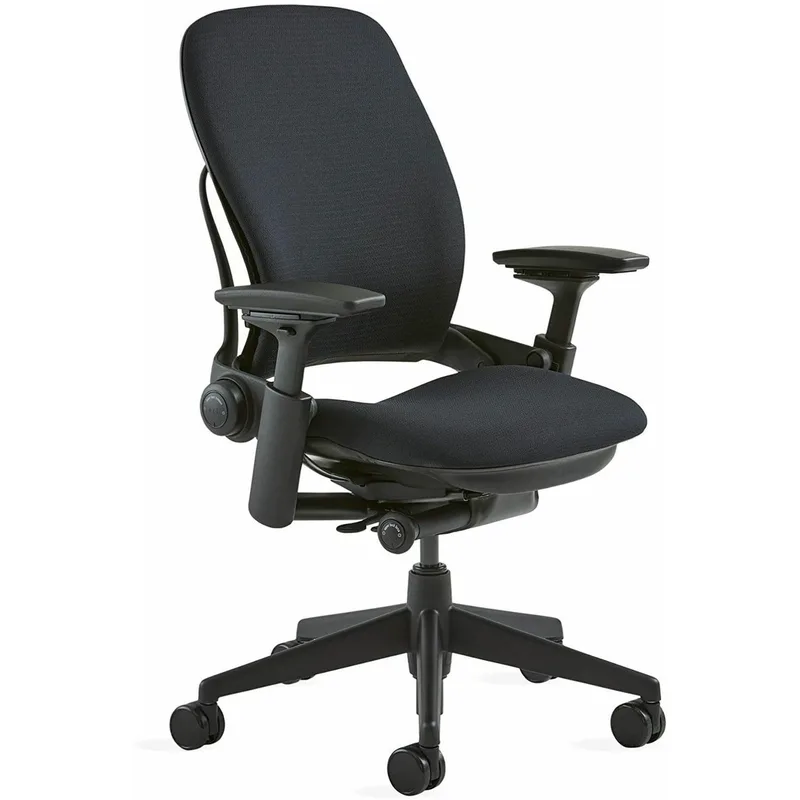
The Steelcase Leap V2 costs nearly $900 more. What do you get for that? The Leap adds a Natural Glide System (you recline without your torso sliding away from the monitor), a lumbar that adjusts in both height and firmness, and upper back force control. These are meaningful ergonomic upgrades — but they’re most valuable for users who sit for extended periods and need that extra level of fine-tuning.
Read our full Steelcase Leap V2 review for a deeper breakdown. For most buyers, the Series 1 delivers 80% of the Leap’s ergonomic value at 36% of the price.
For context on the premium Steelcase tier, see also our Steelcase Gesture review.
Buying Guide: What to Look for in a Mid-Range Ergonomic Chair
Seat Depth Adjustment — More Important Than It Sounds
Most people focus on seat height, but seat depth (how far the seat pan extends forward) is the second most important spec. Too long a seat pan puts pressure behind your knees; too short leaves your thighs unsupported. Look for at least 2 inches of adjustment range. The Series 1 delivers 2.25 inches.
Lumbar Support Type
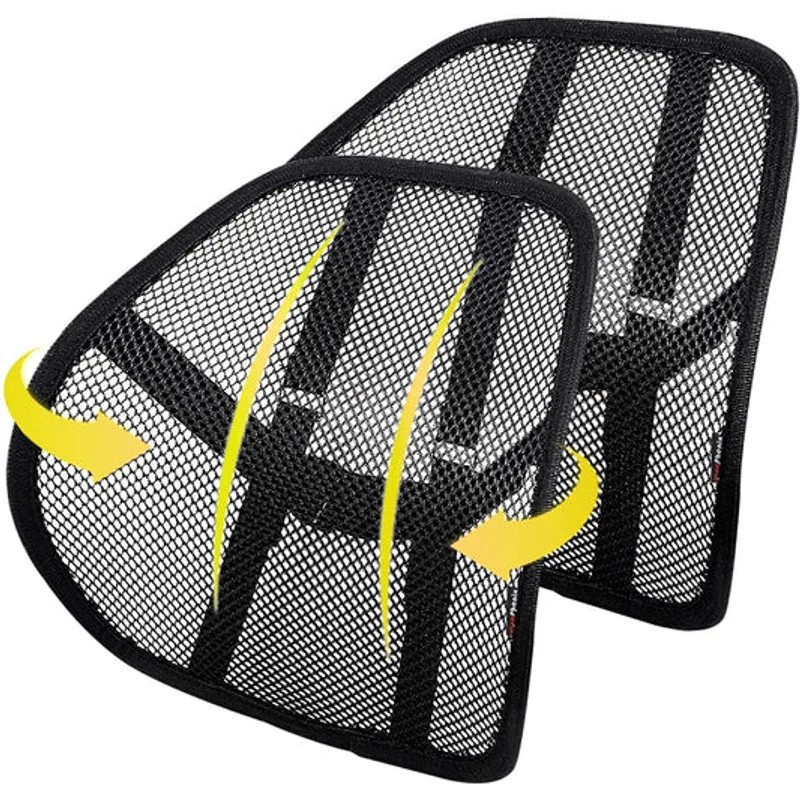
Height-adjustable lumbar (like the Series 1) is good for most users. Depth-adjustable or firness-adjustable lumbar (like the Leap) is better for users with specific lower back issues. If you’ve had back problems, consider whether the additional adjustment is worth the premium.
Weight Capacity and Build Standard
Most consumer chairs rate to 250–275 lbs. Commercial-grade chairs like the Series 1 rate to 400 lbs and carry BIFMA certification, meaning they’ve been evaluated against a stricter standard. Even if you’re well under the weight limit, a higher-rated chair generally has a more durable frame and mechanisms.
Warranty Coverage
A 12-year warranty on a $499 chair is a strong signal about build confidence. Brands don’t offer long warranties on chairs they expect to fail. Short warranties (1–3 years) on mid-range chairs often indicate thinner margins being passed off as competitive pricing.
FAQ
Is the Steelcase Series 1 worth the price?
For daily use of 6–10 hours, yes. The 12-year warranty, 400 lb capacity, LiveBack system, and BIFMA certification are hard to replicate at $499. If you sit less than 4 hours a day, a $200–300 chair may serve you adequately.
What’s the difference between the Steelcase Series 1 and Series 2?
The Series 2 adds a full-mesh seat option and slightly more refined lumbar adjustment. It typically runs $100–150 more. The Series 1 remains the better value for most buyers unless the full-mesh seat is a priority.
Does the Steelcase Series 1 have a headrest?
Not on the standard model. Steelcase sells an optional headrest add-on (sold separately on Amazon). It’s useful for users who recline frequently, but the base chair doesn’t include it.
How does the foam seat hold up over time?
Owner feedback consistently notes that the Series 1 seat foam maintains its density well over years of daily use — better than most chairs at this price. The foam formulation Steelcase uses is commercial-grade, designed for multi-shift environments.
Can tall users sit comfortably in the Series 1?
The Series 1 works well for users up to roughly 6’3”–6’4”. The 21-inch maximum seat height and seat depth adjustment handle most taller proportions. For users above 6’4”, the Leap V2’s slightly larger range and fuller back coverage may be a better fit.
Is the Series 1 available with a mesh seat?
The 3D Microknit back is mesh. The standard seat is foam. Steelcase offers some configurations with an Air or mesh seat at additional cost — check the Steelcase Store on Amazon for current options.
Conclusion
The Steelcase Series 1 is the chair I’d actually recommend to someone who wants commercial-quality ergonomics without the Leap price tag. The LiveBack system is real and functional, the warranty is exceptional, and the build quality shows. The foam seat and height-only lumbar are genuine limitations — but at $499, they’re acceptable trade-offs.
If you’re budget-limited and under 275 lbs, the Branch Ergonomic Chair at $329 is the smart pick. If your back issues require maximum adjustability and you have the budget, step up to the Steelcase Leap V2.
For most people spending 8 hours a day at a desk and looking for a chair that will still be working in 10 years: the Series 1 is the move.