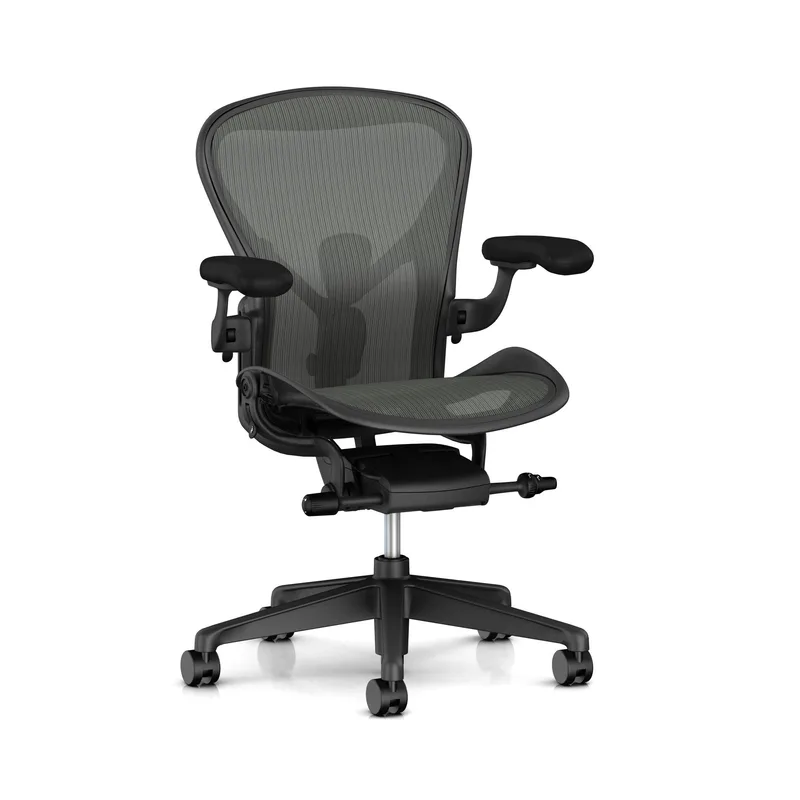
Spending $1,400 on a Herman Miller Aeron is hard to justify when your back isn’t broken yet. But that $79 Amazon special is going to wreck your spine inside of a year — no lumbar support, no adjustability, seat cushion flat by month six.
The sweet spot is right under $500. This is where companies fight hardest for your money, where you’ll find real ergonomic engineering: adjustable lumbar systems, seat depth control, 4D armrests, and materials that survive years of daily use.
I researched and analyzed six chairs in this range — from the $185 Duramont budget pick to the $415 Steelcase Series 1, the cheapest entry point to commercial-grade quality.
Quick pick: If you want one recommendation, buy the Steelcase Series 1. Lifetime warranty, 400 lb capacity, weight-activated recline that just works. If $415 is too much, the Branch Ergonomic Chair at $359 offers excellent build quality and a 7-year warranty at a lower price point.
Side-by-Side Comparison
| Chair | Price | Warranty | Weight Cap | Headrest | Lumbar | Rating |
|---|---|---|---|---|---|---|
| Steelcase Series 1 | $499.00 as of Oct 18, 2026 | Lifetime | 400 lbs | No | Fixed | 9.2 |
| Branch Ergonomic | Unavailable | 7 years | 300 lbs | No | Adjustable | 8.8 |
| SIDIZ T50 | $449.00 as of Oct 18, 2026 | 3 years | 275 lbs | Add-on | 2-way | 8.7 |
| Autonomous ErgoChair Pro | Unavailable | 2 years | 300 lbs | Yes | Adjustable | 8.3 |
| Nouhaus Ergo3D | $329.99 as of Oct 18, 2026 | Limited | 330 lbs | Yes | 3D | 8.0 |
| Duramont | $299.98 as of Oct 18, 2026 | 5 years | 330 lbs | Yes | Foam pad | 7.5 |
Steelcase Series 1
Steelcase Series 1
Pros
- ✓ Lifetime warranty — rare at this price
- ✓ Commercial-grade build quality
- ✓ 400 lb weight capacity
- ✓ Weight-activated recline is intuitive
Cons
- ✗ Standard arms feel cheaper than the frame
- ✗ Limited lumbar depth adjustment
- ✗ Not as plush as foam-seat competitors
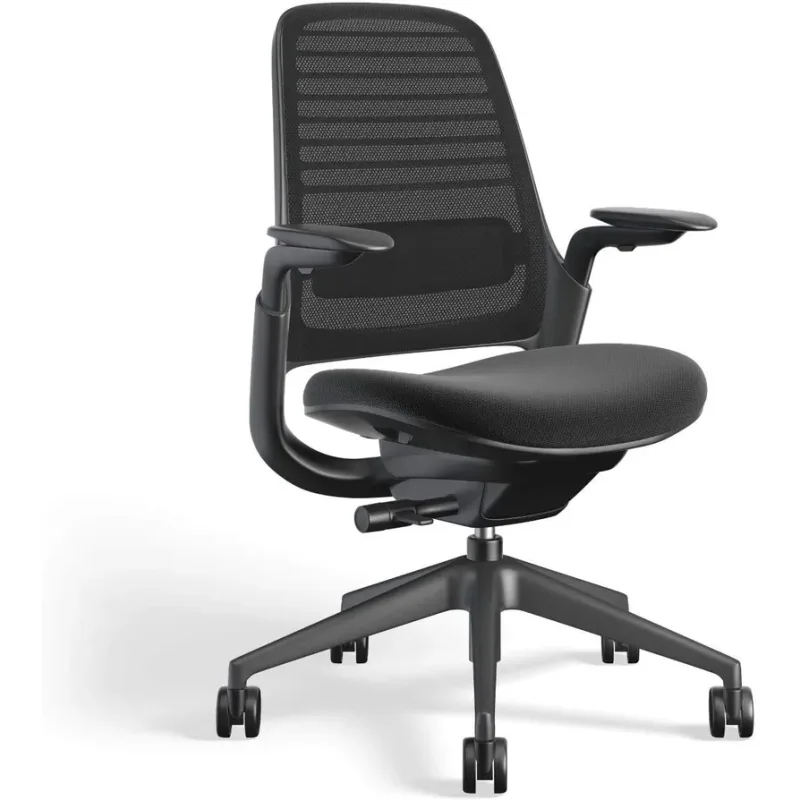
The $415 Steelcase Series 1 is the cheapest way to own a Steelcase — and Steelcase chairs are what you’ll find in Fortune 500 offices for a reason. (Price confirmed August 2026.) This is not a consumer product dressed up with marketing. It’s commercial-grade furniture sold at a price most people can actually afford.
The weight-activated recline is the standout feature. Instead of hunting for a tension knob, the chair automatically calibrates recline resistance to your body weight. You lean back, the chair responds. That’s it. No adjustment required.
The 3D Microknit back breathes well — if you run hot or work in a warm room, this matters more than you’d expect. And the 400 lb weight capacity with a lifetime warranty is almost impossible to beat at this price. The Aeron’s lifetime warranty costs you an extra $1,100 over this chair.
The weak point is the standard arms. Four-way adjustable, but the plastic feels lighter than the rest of the frame. Upgrading to 4D arms is possible but bumps the price. At the base config, the arms work — they just don’t feel as premium as the rest of the chair.
Best for: Anyone who sits 8+ hours a day and wants a chair that will outlast their next apartment.
Buy the Steelcase Series 1 on Amazon →
Branch Ergonomic Chair
Branch Ergonomic Chair
Pros
- ✓ Outstanding build quality and 7-year warranty
- ✓ 7-year warranty is best-in-class at this price
- ✓ Lumbar support height-adjustable and removable
- ✓ Clean design fits any home office
Cons
- ✗ No headrest included
- ✗ Seat cushion is firmer than some prefer
- ✗ Fewer adjustments than the SIDIZ T50
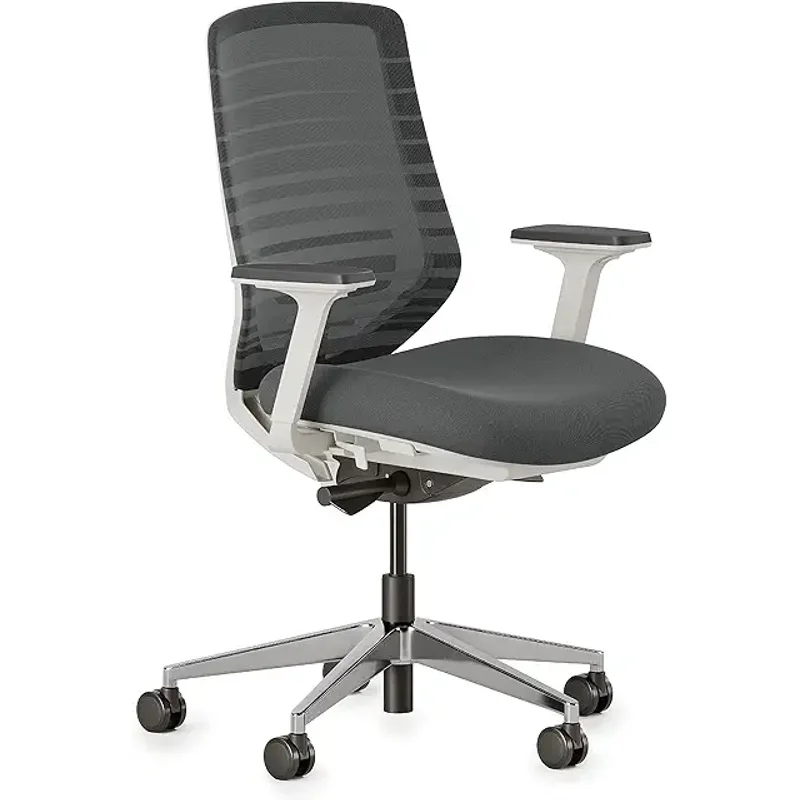
Seven points of adjustment, a 7-year warranty, and a chair that looks like it costs $800. That’s the Branch pitch. It mostly delivers.
The lumbar support is height-adjustable and removable. At this price, that’s unusual — most chairs either lock you into one lumbar position or give you a foam pad that slides around. Branch’s system actually stays where you put it. If you don’t want lumbar at all, take it off.
The mesh back breathes well. The seat cushion is firm — some people love this, some find it too hard after four or five hours. Personal preference. Branch is betting on durability over plushness.
The 7-year warranty is the real argument for Branch over everything else at this price. Nouhaus doesn’t match it. Autonomous doesn’t come close. Only Steelcase (lifetime) beats it. A 7-year warranty at this price is a company saying “this won’t fall apart on you.”
The gap: no headrest. If neck support matters, the Nouhaus Ergo3D and Autonomous ErgoChair Pro both include adjustable headrests at their price points.
Best for: Remote workers who want premium feel and build quality and don’t need a headrest.
Buy the Branch Ergonomic Chair on Amazon →
SIDIZ T50
SIDIZ T50
Pros
- ✓ Most adjustable chair under $400
- ✓ 2 million units sold globally — proven design
- ✓ Forward tilt feature for drawing or reading
- ✓ GREENGUARD certified for air quality
Cons
- ✗ Headrest is a $69 add-on
- ✗ 275 lb weight limit — lowest on this list
- ✗ Takes time to dial in all settings
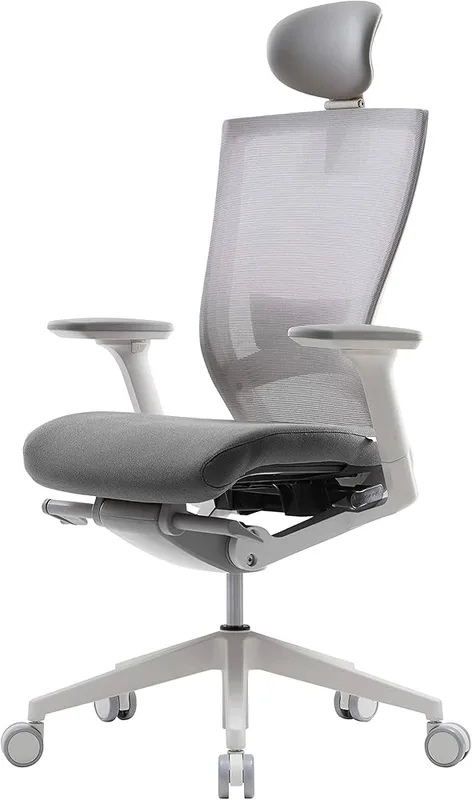
The SIDIZ T50 has sold 2 million units across 62 countries since 2007. That kind of track record means something. Nothing at $374 gives you more adjustment options — and nothing at $374 is better suited for people with specific posture needs.
Forward tilt. Two-way lumbar (up/down and in/out, not just one direction). Three-way armrests. Adjustable seat depth. The S-curve back follows your spine’s natural shape rather than fighting it. ANSI/BIFMA certified and GREENGUARD certified — both are real commercial standards, not marketing labels.
The catch: the headrest is a $69 add-on. Full setup costs you $443, which is still under $500 but worth planning for. The 275 lb weight limit is also the lowest on this list.
There’s also a learning curve. Getting everything dialed in takes time — maybe 20 minutes of fiddling before you find your settings. But once you do, it fits like a chair made for your body.
Best for: People with specific posture issues who need granular control over how their chair fits.
Autonomous ErgoChair Pro
Autonomous ErgoChair Pro
Pros
- ✓ Headrest included at this price
- ✓ Foam seat is comfortable for long sessions
- ✓ Solid lumbar support system
- ✓ 8-way adjustability
Cons
- ✗ 2-year warranty is the shortest on this list
- ✗ Build quality below Steelcase and Branch
- ✗ Mesh breathability only average
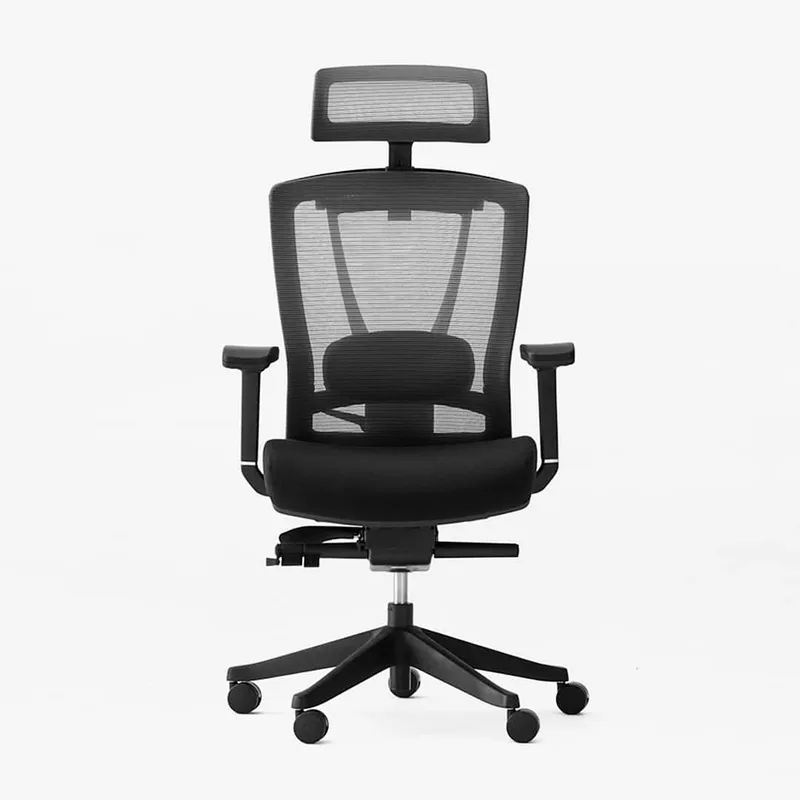
At $449, the Autonomous ErgoChair Pro targets people who want a headrest included and prefer a foam seat over pure mesh. On both counts, it delivers.
The headrest is adjustable in height and angle — not just a fixed pad. The foam seat is noticeably softer than the Branch or SIDIZ T50, which is either a pro or con depending on your preferences. If you have tailbone sensitivity or just like a softer sit, this one stands out.
Lumbar adjusts in and out to match your spine’s curve. The 8-way adjustability covers all the basics. It supports 300 lbs and fits users from 5’4” to 6’6”.
The problem is the warranty. Two years is the shortest on this list by a wide margin. At $449, you’re paying $34 more than the Steelcase Series 1 and trading a lifetime warranty for a 2-year one. If the chair holds up, fine. If something goes wrong in year three, you own a paperweight.
Still, if headrest + adjustable lumbar + foam seat is your specific checklist, the Autonomous hits all three.
Best for: Buyers who want a headrest included and prefer foam over mesh for all-day comfort.
Buy the Autonomous ErgoChair Pro on Amazon →
Nouhaus Ergo3D
Nouhaus Ergo3D
Pros
- ✓ 4D orbital arms under $300 — rare at this price
- ✓ 135° recline comfortable for breaks
- ✓ 3D lumbar hugs the lower back
- ✓ Adjustable headrest included
Cons
- ✗ Lighter build than pricier options
- ✗ Warranty shorter than Branch and Steelcase
- ✗ Assembly takes time to figure out
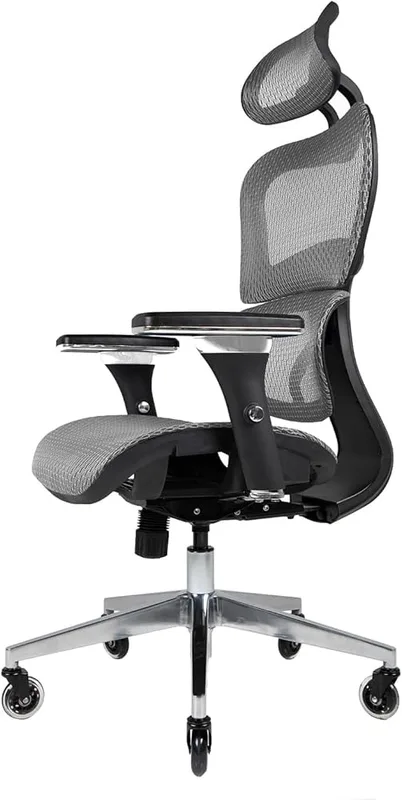
The Nouhaus Ergo3D at around $300 packs more features into a sub-$300 chair than almost anything else on the market. The 4D orbital armrests are the headline — they glide, tilt, and pivot in ways you don’t typically see until $400+. The 3D lumbar system adjusts to hug your lower back rather than just pressing against it. An adjustable headrest is included. And at 330 lbs, the weight capacity exceeds both the Branch and SIDIZ T50.
The 135° recline is genuine. Not a slight lean-back — an actual recline that’s useful for stretching out between calls. Blade wheels handle hard floors without marking them up.
Where it gives ground: build quality. The Ergo3D feels lighter in hand than the Branch or Steelcase — noticeable when you’re assembling it. It’s a mid-premium feature set at a budget price. Worth it for the features, but don’t expect it to feel like a $500 chair.
The warranty also isn’t as strong as the competition. If longevity matters, Branch offers the stronger warranty. If you want 4D arms, 3D lumbar, a headrest, and a 330 lb capacity at around $300 and don’t plan to sit in it 60 hours a week, the Ergo3D is a solid pick.
Best for: Budget shoppers who want 4D arms, 3D lumbar, and a headrest without crossing $300.
Buy the Nouhaus Ergo3D on Amazon →
Duramont Ergonomic Chair
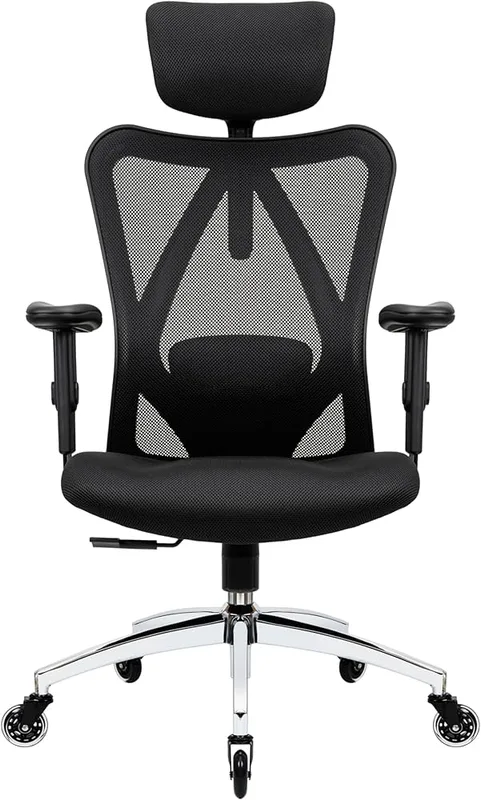
Duramont Ergonomic Chair
Pros
- ✓ Budget-friendly with 5-year warranty
- ✓ 330 lb capacity beats most mid-range chairs
- ✓ 5-year warranty with 90-day return trial
- ✓ Full adjustment suite including headrest
Cons
- ✗ Cushion loses firmness over time
- ✗ Lumbar is a foam pad, not a built-in system
- ✗ Build quality reflects the price
Around $185. Headrest, lumbar, seat height, armrests, tilt. 330 lb weight capacity. 5-year warranty. 90-day trial.
On paper, the Duramont looks too good to be true. In practice, it’s a solid first-tier ergonomic upgrade from a basic office chair. If you’re currently sitting in something that cost under $100, the Duramont will feel like a completely different experience.
The reality: the lumbar is a separate foam pad you attach to the chair back — not a built-in system. That pad will eventually compress and need replacing. Cushions flatten. The build quality is lighter than the Branch or Steelcase — more plastic, more flex, more potential for squeaks down the road.
But as a first real ergonomic chair? Or a desk chair for occasional use? $185 with a 5-year warranty is a fair deal. The 330 lb capacity is genuinely higher than chairs that cost twice as much, which matters if you’re near that range.
Best for: First-time ergonomic chair buyers and occasional users with a tight budget.
Buy the Duramont Ergonomic Chair on Amazon →
Buying Guide: What to Look For Under $500
Lumbar support is the most important feature
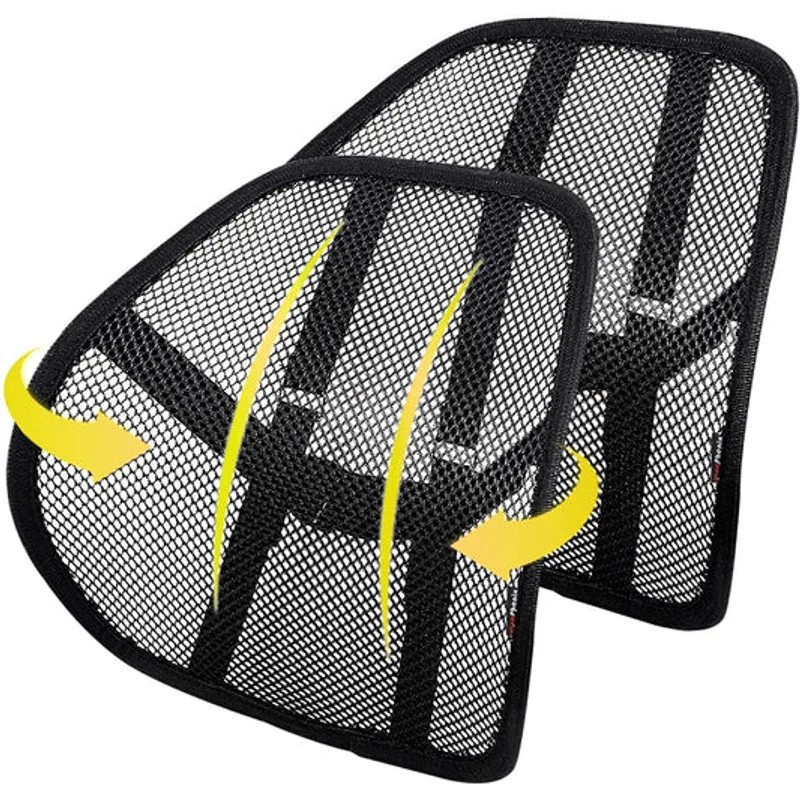
A chair without proper lumbar support will cause back pain regardless of how much you paid for it. Look for lumbar that adjusts in height and depth — not just a fixed foam blob pressed against your lower back. The SIDIZ T50’s 2-way lumbar and Nouhaus Ergo3D’s 3D system are both standouts at their price points.
Warranty reflects build confidence
A 1-year warranty on a $300 chair means the manufacturer doesn’t expect it to last much longer. Branch’s 7-year warranty and Steelcase’s lifetime warranty are promises the product won’t fall apart on you. When you’re choosing between similarly priced chairs, warranty length is a useful tiebreaker.
Weight capacity matters more than most people realize
Exceeding or approaching a chair’s weight limit stresses the gas lift, base, and mechanisms faster than rated. Even if you’re well under the limit, a higher-rated chair often uses a stronger gas cylinder and heavier-duty base hardware. The Steelcase Series 1’s 400 lb rating and the Duramont and Nouhaus Ergo3D’s 330 lb ratings give you headroom; the SIDIZ T50’s 275 lb limit is the most restrictive here.
Armrest quality matters for typing
4D arms — adjustable in height, width, depth, and pivot — are the gold standard. 3D is acceptable. 2D (height only) puts your shoulders at a fixed angle regardless of your desk or posture. If you type or mouse for hours at a time, prioritize arm adjustability. The Nouhaus Ergo3D’s 4D orbital arms at around $300 are the best armrests available at this price range.
Mesh vs foam seat
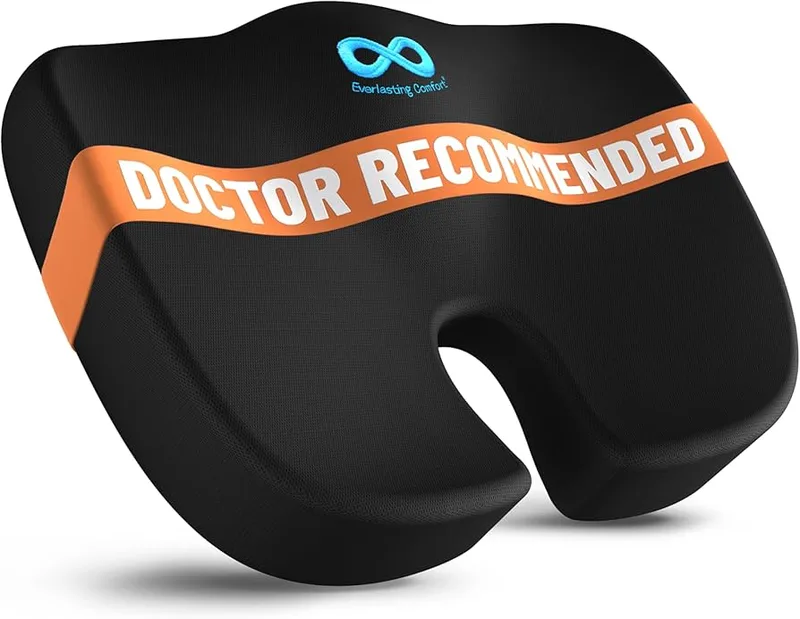
Mesh seats breathe better and run cooler, but they can feel firmer and less forgiving. Foam seats are softer but trap heat. If you work in a warm environment or run hot, go mesh. If you have tailbone sensitivity or prefer a softer feel, the Autonomous ErgoChair Pro’s foam seat is worth considering.
How these compare to $1,000+ chairs
The Herman Miller Aeron starts at $1,600. The Steelcase Leap V2 is around $1,400. Both are exceptional chairs with engineering and material quality that $500 chairs can’t fully match. For a deep comparison of those two, see our Herman Miller Aeron vs Steelcase Leap breakdown.
But for most people working from home 40 hours a week, the Steelcase Series 1 with its lifetime warranty gets you 80% of the Aeron experience at roughly 25% of the cost. The adjustability gap exists — the Aeron’s PostureFit SL and the Leap’s FlexBack are genuinely better — but the daily comfort gap for most users is smaller than the price difference suggests. If you have chronic back problems or sit 60+ hours a week, consider saving for the premium tier. See our best luxury office chairs guide for that range. For everyone else, this list has what you need.
FAQ
Is a $400 chair actually better than a $200 chair?
Yes, meaningfully so. The main differences are lumbar adjustability, arm quality, and durability. A chair like the Steelcase Series 1 ($415) or SIDIZ T50 ($374) has a better-engineered lumbar system, more adjustment range in the arms, and materials that hold up over years of use. A $185 chair like the Duramont is a real upgrade over a basic office chair, but its foam pad lumbar and lighter build won’t last as long under daily heavy use.
Do ergonomic chairs fix back pain?
A good chair reduces strain and supports better posture — it doesn’t cure existing issues. If you have chronic back pain, an ergonomic chair paired with regular movement breaks, stretching, and ideally a sit/stand setup will do more than any single product. The chair removes a source of ongoing stress; it doesn’t heal damage already done. Our complete guide to ergonomic chairs for lower back pain covers how to match chair features to specific pain patterns.
What’s the minimum weight capacity I should look for?
300 lbs is a solid floor for daily all-day use, even if you weigh much less. The weight rating isn’t just about holding you up — it affects how the gas lift and base hardware wear over time. Chairs rated at 250 lbs will show fatigue faster than ones rated at 350 lbs under the same daily load.
Is the Steelcase Series 1 actually worth $415?
For daily all-day sitting, yes. The lifetime warranty alone justifies the price over most competitors. If the chair lasts 10 years — which Steelcase chairs routinely do — you’re paying approximately $50 per year for commercial-grade seating. The Branch has the strongest warranty of any non-Steelcase option here, but its 7-year coverage still doesn’t match Steelcase’s lifetime warranty.
Do I need a headrest?
Only if you frequently lean back or have neck tension. Most desk work happens upright, and a headrest is most useful during breaks or while reading rather than active typing. The Nouhaus Ergo3D, Autonomous ErgoChair Pro, and Duramont all include adjustable headrests. The SIDIZ T50 offers a $69 add-on headrest. Branch and Steelcase Series 1 have none at the base config.
How long should an ergonomic chair last?
A well-made chair in the $300–$500 range should last 7–10 years with normal use. Warranty length is a reasonable proxy — Branch’s 7-year warranty and Steelcase’s lifetime warranty reflect real build confidence. Budget chairs in the $150–$200 range typically last 3–5 years before the gas lift, cushion, or arm mechanisms wear out.
Conclusion
For most people, the Steelcase Series 1 at $415 is the clear call. Lifetime warranty, 400 lb capacity, weight-activated recline that works without fiddling, commercial-grade build. You’re getting the real thing at an accessible price.
If $415 is beyond your budget, the Branch Ergonomic Chair ($359) offers excellent build quality and a 7-year warranty — a strong pick within this guide’s budget at $56 less than the Steelcase.
By specific need:
- Maximum adjustability: SIDIZ T50 — $374
- Headrest + foam seat: Autonomous ErgoChair Pro — $449
- 4D arms + headrest under $300: Nouhaus Ergo3D — $300
- Tightest budget: Duramont — $185
Every chair on this list is a real upgrade over a basic desk chair. The difference between a poorly fitted seat and a good one shows up in your energy levels, focus, and back health over months and years — not just in the first week.
Related Chair Reviews and Guides
Explore deeper reviews across every segment of the ergonomic chair market:
Premium chairs:
- Herman Miller Aeron Review — is the $1,400 price tag justified?
- Herman Miller Aeron vs Steelcase Leap — head-to-head at the top tier
- Herman Miller Embody vs Steelcase Leap V2 — the ultimate showdown
- Best Luxury Office Chairs — Herman Miller, Steelcase, Humanscale, and more
- Best Mesh Office Chairs in 2026 — breathable picks at every price
By use case:
- Best Ergonomic Chairs for Programmers — built for 8+ hour coding sessions
- Best Ergonomic Chairs for Tall People — chairs that actually fit 6’+ frames
- Best Ergonomic Chairs Under $300 — if $500 is still too much
- Complete Guide to Chairs for Lower Back Pain — matched to your pain type
Gaming chairs:
- Best Gaming Chairs Under $200 — budget picks that don’t wreck your back
- Best Gaming Chairs Under $500 — premium gaming comfort
- 6 Best Gaming Chairs for Ergonomic Comfort — when gaming and ergonomics meet
- Secretlab Titan Evo Review — the benchmark gaming chair tested